
Author: Smart Dog

  • When Dogs Panic Alone:

    Helping Window-Frustrated Pups Feel Safe

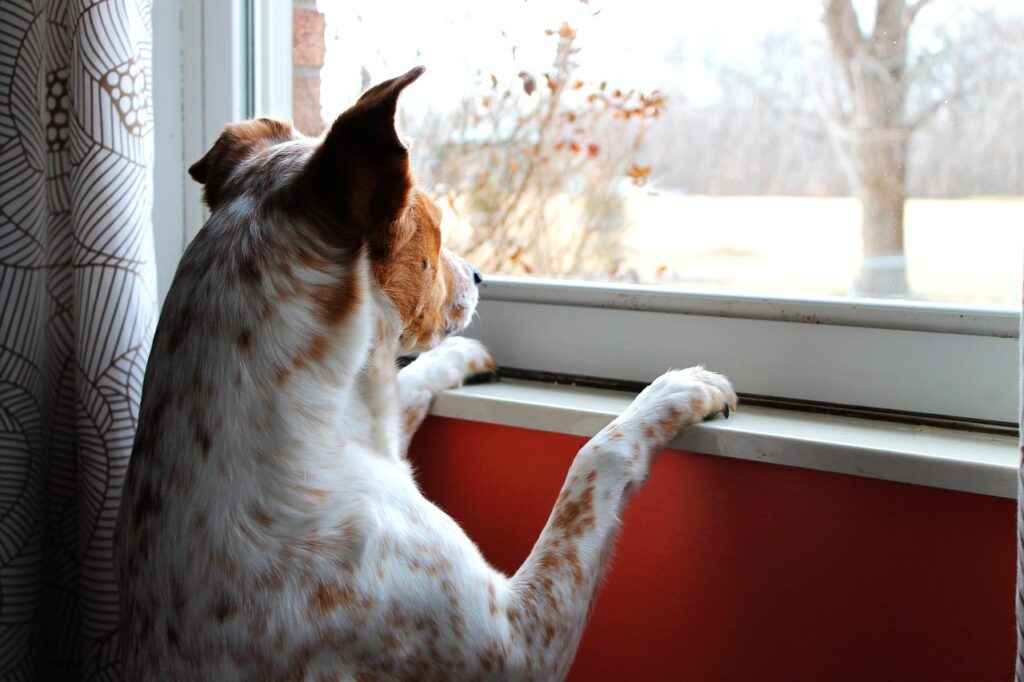
    If your dog seems restless, destructive, or unusually anxious when you leave the house, the problem might not just be separation. For some dogs, it’s about what they can’t see.

    Dogs are naturally curious and alert. Many rely on windows as their way of monitoring the world—watching people pass, tracking sounds, and staying connected to their environment. When that view disappears, especially after you leave, it can trigger stress or even panic.

    This type of anxiety is easy to overlook. But once you notice it, there are practical ways to help your dog feel calmer and more secure.

    Why Not Seeing Outside Causes Anxiety

    For some dogs, windows act like a comfort tool. They provide:

    • Mental stimulation
    • A sense of control over their surroundings
    • Distraction from being alone

    Take that away, and your dog may feel cut off and uncertain. The result can be pacing, whining, barking, or destructive behavior.

    The good news is that small changes can make a big difference.

    10 Ways to Help Your Dog Feel Calm When You’re Gone

    1. Create a Safe Viewing Spot

    If possible, give your dog access to a window they can safely look out of. A low bench or pet perch works well. Make sure it’s stable and secure.

    2. Leave the Curtains Partially Open

    You don’t need to expose the whole house. Even a small visual connection to the outside world can help your dog feel less isolated.

    3. Use Window Perches or Platforms

    Elevated perches are especially helpful for smaller dogs. They create a designated “watch zone” that feels like a job.

    4. Provide Mental Stimulation

    If a window view isn’t possible, replace it with activity. Puzzle toys, treat dispensers, or frozen food toys can keep your dog occupied while you’re gone.

    5. Try Dog TV or Background Visuals

    Some dogs respond well to movement on a screen. Videos of nature, animals, or even street scenes can mimic the stimulation they’re missing.

    6. Leave Familiar Sounds On

    Silence can make anxiety worse. Soft music, talk radio, or white noise can create a more comforting environment.

    7. Gradually Desensitize Your Dog to Being Alone

    Practice short departures and slowly increase the time away. This helps your dog build confidence without becoming overwhelmed.

    8. Use Calming Scents or Aids

    Products like calming sprays or diffusers can help reduce stress. Even leaving an item with your scent can provide reassurance.

    9. Give Them a “Job”

    Dogs feel better when they have a purpose. Hide treats around the house or use slow-release feeders to give them something to focus on.

    10. Consider Rearranging the Space

    Sometimes the issue is simply layout. Moving furniture to create a better view or a more comfortable resting area can change how your dog experiences being alone.

    Final Thoughts

    Dogs don’t experience your absence the way you do. They rely on their surroundings to make sense of what’s happening. When those surroundings suddenly feel limited or unfamiliar, anxiety can take over.

    By giving your dog a way to stay engaged with the world—or thoughtfully replacing that stimulation—you can ease their stress and help them feel safe, even when you’re not home.

    Small adjustments matter. And for an anxious dog, they can mean the difference between panic and peace.
  • 10 Dog Products That Actually Work (Real-Life Finds That Made a Difference)

    If you’re a dog owner, you know—some products are a waste of money… and some genuinely make life easier. After years around dogs (and seeing what people actually use in real life), these are the products that truly stand out. Simple upgrades that improve comfort, reduce stress, and make everyday life smoother—for both you and your dog.

    Disclosure: As an Amazon Associate, I earn from qualifying purchases.

    1. Orthopedic Dog Bed (Comfort Upgrade)

    She was laying on gravel… and that’s when I realized she deserves something softer. Hard surfaces can put pressure on your dog’s joints—especially as they age.

    An orthopedic dog bed provides:

    • proper joint support
    • better sleep quality
    • relief from pressure points

    2. Interactive Puzzle Toy (Boredom Fix)

    She looked like she was waiting… but really, she was just bored. Dogs need mental stimulation just as much as physical exercise.

    Puzzle toys:

    • keep dogs busy
    • reduce anxiety
    • prevent destructive behavior

    3. No-Pull Dog Harness (Better Walks)

    If your dog pulls on walks, this is one of the easiest fixes.

    A no-pull harness:

    • gives you better control
    • reduces strain on your dog’s neck
    • makes walks more enjoyable

    4. Portable Dog Water Bottle (On-the-Go Essential)

    Perfect for walks, hikes, or road trips.

    These bottles:

    • make it easy to hydrate your dog anywhere
    • prevent spills
    • are lightweight and convenient

    5. Dog Seat Cover (Save Your Car)

    Dog hair, dirt, and scratches add up fast.

    A seat cover:

    • protects your back seat
    • is easy to clean
    • keeps your car looking new

    6. Deshedding Brush (For Heavy Shedders)

    If your dog sheds… you know.

    A good deshedding brush:

    • removes loose undercoat
    • reduces hair around your home
    • keeps coats healthier

    7. Slow Feeder Bowl (Health & Digestion)

    Some dogs eat way too fast.

    A slow feeder:

    • prevents choking and bloating
    • improves digestion
    • turns meals into a fun challenge

    8. Paw Cleaner (Mess Control)

    Mud, dirt, and wet paws—especially after walks.

    A paw cleaner:

    • removes dirt quickly
    • keeps your floors clean
    • is super easy to use

    9. Dog Car Seatbelt (Safety First)

    Most people don’t think about this—but it matters.

    A dog seatbelt:

    • keeps your dog secure
    • prevents distractions while driving
    • adds an extra layer of safety

    10. Treat Dispensing Toy (Keep Them Busy)

    Great for when you’re busy or leaving the house.

    These toys:

    • keep dogs entertained
    • slow down treat consumption
    • reduce separation anxiety

    Final Thoughts

    Not every dog product is worth buying—but the right ones can make a real difference. Whether it’s:

    • better sleep
    • less stress
    • cleaner spaces
    • or easier daily routines

    These are the kinds of simple upgrades that improve your dog’s life—and yours.

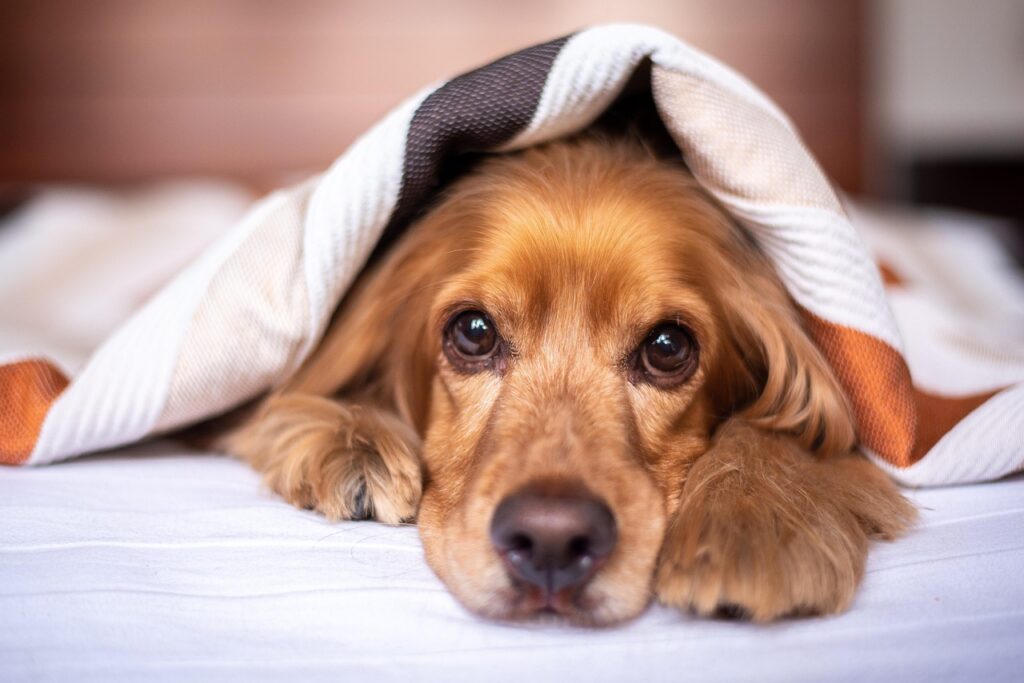
    Comfort, warmth, and a little extra love—right where they belong.